
In the modern digital landscape, protecting your network from cyber threats requires far more than conventional firewalls and antivirus software. casinos not on GameStop offers an critical layer of protection by managing access at the individual device level, guaranteeing that only approved devices can access your network while preventing potential security risks before they can create damage.
Comprehending Device Level Blocking Software and Its Role in Security Infrastructure
Modern cybersecurity strategies must tackle threats at multiple levels, with device-level protection serving as a critical frontline defense mechanism. This strategy monitors and controls every piece of hardware attempting to access networked resources, from computers and mobile devices to Internet of Things devices and external storage. By implementing detailed access controls at the device level, organizations can prevent unauthorized equipment from establishing connections that could compromise sensitive data or inject malicious software into their infrastructure.
The basic foundation behind device blocking mechanisms requires establishing whitelist and blacklist policies that determine which devices receives connectivity permissions. Administrators can set up policies according to device IDs, security certificates, compliance status, or behavioral patterns. When an unknown or suspicious device tries to connect, the system denies access and alerts security personnel, thereby establishing a security perimeter that functions separately of user credentials or higher-level security controls.
Integration with existing security infrastructure enhances the overall protection framework by providing real-time visibility into all connected devices across the network. This comprehensive monitoring capability enables IT teams to identify potential vulnerabilities, track device compliance with security policies, and respond immediately to emerging threats. The proactive nature of device-level controls significantly reduces the attack surface available to cybercriminals, making it substantially more difficult for malicious actors to exploit network weaknesses through compromised or unauthorized hardware.
Critical Protection Methods of Device-Level Blocking Tools
Modern network security systems operate through multiple layers of protection that function in tandem to create a thorough defense strategy. These systems intercept threats at different points, from initial connection attempts to continuous data analysis, ensuring continuous protection against emerging digital threats.
By deploying controls at the device level, organizations gain granular visibility and control over every endpoint seeking to connect to network resources. This approach stops unapproved entry while maintaining seamless connectivity for legitimate users and approved devices across the infrastructure.
Instant Threat Identification and Protection
Advanced detection systems regularly monitor inbound traffic and data packets for malicious signatures, suspicious patterns, and known threat indicators. These systems utilize AI-powered algorithms to detect previously unknown vulnerabilities and new threat methods before they can penetrate network defenses.
When threats are identified, automated defense systems promptly isolate affected devices and block malicious traffic without requiring manual intervention. This immediate response capability minimizes the window of vulnerability and prevents lateral movement of threats across the network system.
Application and Website Filtering Controls
Security mechanisms evaluate every user request and network connection against predefined security policies and security databases. Administrators can create detailed policies that block access to risky content while permitting mission-critical apps and whitelisted domains.
These controls extend beyond simple blacklisting to incorporate behavioral analysis that detects potentially harmful applications masquerading as legitimate software. Category-based filtering also enables organizations meet regulatory standards and defend against data exfiltration through illicit pathways.
Network Traffic Monitoring and Analysis
In-depth traffic examination delivers comprehensive view of all data moving through devices and external networks, detecting anomalies that could suggest compromise or policy infractions. Advanced packet analysis looks past basic header information to identify sophisticated threats concealed in seemingly normal communications.
Historical traffic data allows security teams to set foundational metrics and quickly identify deviations that require examination. This analysis potential supports forensic investigations following security incidents and helps organizations strengthen policy frameworks based on real-world usage data and threat intelligence.
Perks of Deploying Device Level Content Filtering Tools
Organizations that implement sophisticated filtering technologies at the device level experience substantially lower security incidents and better network performance. By preventing unauthorized devices from accessing vital applications, businesses can enforce greater governance over their technological environment while reducing the likelihood of data breaches and malware infections that could compromise sensitive information.
The adoption of these protective protocols results in improved adherence with regulatory requirements and privacy regulations. Companies can prove accountability in protecting customer information while minimizing operational overhead of managing security threats, consequently preserving valuable resources that would typically be allocated on incident response and recovery efforts.
Another important feature is the capability to sustain network integrity across remote employee bases and bring-your-own-device environments. This solution allows IT teams to apply standardized security policies in any location, ensuring that remote workers and mobile devices comply with the same protective standards as on-premises equipment without sacrificing productivity or user experience.
Selecting the Right Device Level Filtering Software for Your Organization
Finding the best option for your organization necessitates detailed review of your unique security concerns, network setup, and business requirements to guarantee optimal security.
- Evaluate compatibility with existing infrastructure
- Evaluate scalability for future network growth
- Analyze reporting and analytics capabilities
- Consider simplicity of deployment and management
- Assess supplier support and update cycles
- Compare cost structures and TCO
Organizations should emphasize solutions that offer centralized administration platforms, current threat intelligence feeds, and fine-grained permission settings to successfully oversee diverse device environments.
The ideal choice will balance strong security capabilities with user-friendly administration, allowing IT teams to maintain strong defenses without compromising productivity or overwhelming resources.
Best Practices for Deploying Device Level Blocking Software
Effective deployment requires comprehensive network assessment and inventory management. Organizations should catalog all authorized devices, create defined access rules, and specify security standards before deployment. Periodic reviews ensure that only approved devices maintain network access, while automated surveillance tools offer real-time insight into login attempts and potential threats.
Integration with current security infrastructure maximizes protection effectiveness across your entire environment. Align blocking policies with firewalls, endpoint protection platforms, and identity management systems to create layered defense mechanisms. Ensure correct setup of whitelists and blacklists, implement role-based access controls, and set up incident response protocols for handling blocked device attempts.
Continuous maintenance and staff training are vital for sustained protection success and business performance. Plan routine policy reviews to adapt to evolving threats, update device databases to reflect organizational changes, and provide staff education sessions on acceptable use policies. Track activity in logs on an ongoing basis, conduct routine security assessments, and optimize filtering rules based on emerging vulnerabilities and business requirements.
More from my site
 На Кубе раскрыли, что сделают в случае нападения США МИД Кубы сообщил о готовности страны защищаться в случае нападения США […]
 Ремонт во вторичке: важные аспекты При покупке квартиры или дома во вторичке, важным этапом становится ремонт и отделка помещений. В данной статье мы рассмотрим основные аспекты, которые следует учесть при проведении […]
 Москвичи бросились скупать недвижимость в «Москва-Сити» Москвичи бросились скупать недвижимость в деловом центре «Москва-Сити» — спрос на объекты в сентябре 2020 года вырос до рекордных значений за последние […]
 Беглов: стабильное исполнение бюджета позволило выполнить все соцобязательства Губернатор Санкт-Петербурга Александр Беглов рассказал о […]
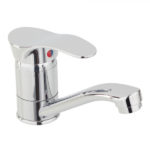 Смеситель для раковины CORSA DECO Wave однорычажный с поворотным изливом По дружбеПосмотреть в 3D шоурумеLIVEВ прямом эфиреПокажем товар по видеосвязи, камеру включать не нужноНазначениесмеситель для раковины, умывальника.БрендCorsa […]
 Комикс и опера о трансгендерах: Белый дом раскрыл некоторые траты USAID Пресс-служба Белого дома опубликовала данные о некоторых тратах Агентства по международному развитию США, передает NUR.KZ. В списке финансируемых проектов - оперы и мюзиклы. На сайте […]
 Берлин намерен передать Украине 15 тысяч дронов-перехватчиков Германия собирается передать Украине 15 тысяч дронов-перехватчиков […]
 Статуэтка Вещицы Зебра золотая 12х6х32 см Tin-08 […]
 Россия увеличит на $1 млрд инвестиции в экономику Армении 40% внешних инвестиций в Армению приходится на долю России, и эту долю РФ планирует как минимум сохранить. В ближайшее время Россия планирует увеличить инвестиции в экономику Армении на $1 […]
